The Akosombo Dam and Africa's Dream of Independence: Why This Monument Still Matters Today
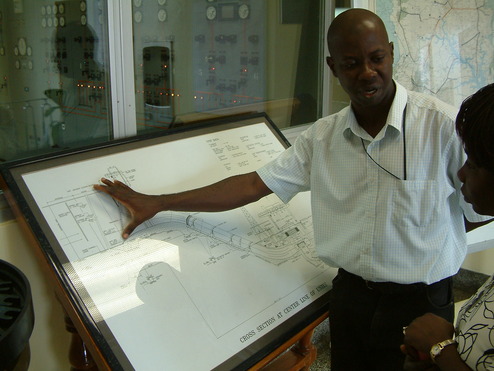
Remo Kurka - Standing on the crest of the Akosombo Dam, looking across the vast waters of Lake Volta, it is easy to admire the scale of the engineering. The concrete walls, the powerful turbines, and the seemingly endless lake are impressive by any standard.
But to understand why the Akosombo Dam matters, you must look beyond the machinery.
This is not simply a hydroelectric dam.
It is one of Africa's greatest symbols of what political independence was meant to achieve.
For Ghana's first President, Dr. Kwame Nkrumah, independence was never the end of the struggle. It was only the beginning.
He believed that a nation could not truly be free if it remained economically dependent on others. Political freedom without industrial development, reliable electricity, education, and modern infrastructure would leave Africa vulnerable to new forms of dependence.
The Akosombo Dam became the physical expression of that vision.
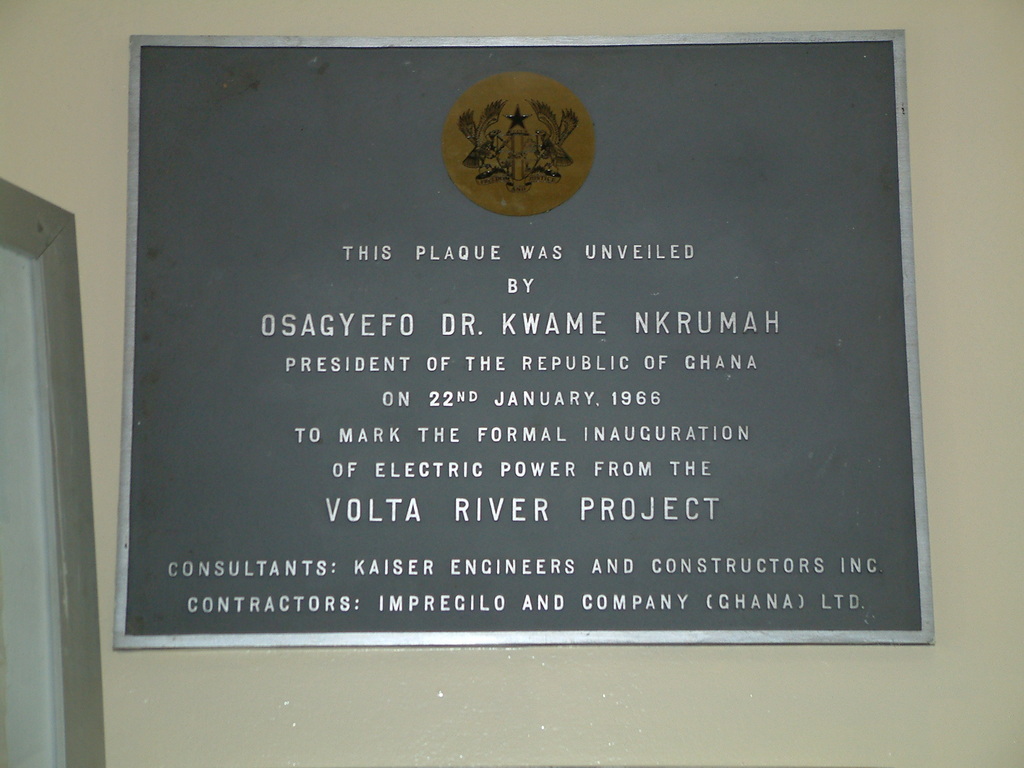
Visiting Akosombo dam, Memorial to Kwame Nkrumah, Ghana tour by Remo Kurka, Akosombo
Beyond the Flag: Building a Nation
When Ghana gained independence on 6 March 1957, it became the first country in sub-Saharan Africa to break free from British colonial rule.
Across the continent, millions watched with hope.
Could an African nation chart its own future?
Could it build industries, educate its people, and create prosperity on its own terms?
Kwame Nkrumah believed the answer was yes.
But speeches alone would never achieve that goal.
The new nation needed roads, schools, hospitals, factories—and above all, electricity.
Without power, there could be no large-scale industry, no modern manufacturing, and no economic transformation.
The Volta River Project therefore became far more than an engineering project.
It became a declaration that Africa intended to build its own future.
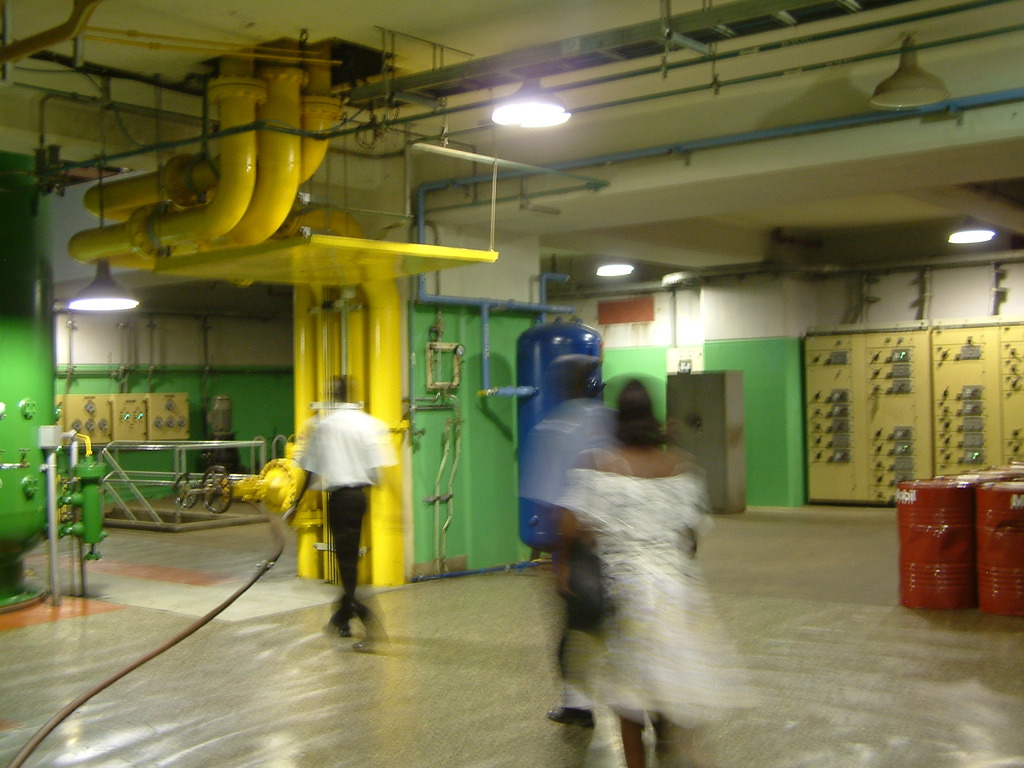
Visiting the belly of Akosombo dam, Ghana tour by Remo Kurka, Akosombo
Lighting More Than Ghana
When the first turbines began generating electricity in January 1965, they powered much more than homes and factories.
They powered confidence.
For many newly independent African nations, Akosombo demonstrated that African governments could undertake projects on a scale previously associated only with Europe or North America.
The dam became one of the largest infrastructure projects ever completed on the continent.
It showed that African ambition had no reason to be modest.
Visitors from across Africa came to see the project. Engineers studied it. Politicians cited it. Newspapers celebrated it as evidence that independence could produce tangible progress.
For a generation of Africans, Akosombo represented possibility.
The Heart of Pan-Africanism
Nkrumah's vision extended well beyond Ghana's borders.
He dreamed of an Africa that worked together politically, economically, and technologically.
His famous call for African unity was not simply idealism. He believed that cooperation would give African nations greater control over their own resources and a stronger voice in world affairs.
The Akosombo Dam reflected this philosophy.
It was built to create long-term prosperity, not only through electricity but by supporting industry, regional trade, education, and development.
Today, Ghana continues to export electricity to neighbouring countries through the West African power network—a reminder that Nkrumah's belief in regional cooperation still resonates.
A Vision Interrupted
Yet the story of Akosombo is also inseparable from one of the most dramatic turning points in Ghana's history.
On 24 February 1966, while President Nkrumah was on a peace mission abroad, his government was overthrown in a military coup.
The event changed Ghana's political direction overnight.
For decades, historians have debated the role of foreign powers in the coup.
Declassified U.S. documents show that the CIA closely "monitored" political developments in Ghana and welcomed Nkrumah's removal, seeing him as too closely aligned with socialist states during the Cold War. British records "similarly show concern" about Nkrumah's policies and government.
There-while many scholars argue that Western intelligence agencies encouraged or supported the new regime. The precise extent of their operational involvement remains disputed and is still the subject of historical research.
What is beyond dispute is that Nkrumah's ambitious programme of rapid industrialisation and Pan-African leadership was abruptly interrupted.
Many planned projects were delayed, altered, or abandoned.
The momentum of one of Africa's boldest development agendas slowed dramatically.
Remembering Both Achievement and Sacrifice
History is rarely simple.
The Akosombo Dam brought enormous benefits to Ghana.
It electrified the nation, supported industrial growth, created Lake Volta, improved transportation, and became one of West Africa's most important sources of renewable energy.
At the same time, it came with profound human costs.
More than 80,000 people were resettled as Lake Volta filled. Entire communities left ancestral lands behind, adapting to new homes and new livelihoods.
Remembering Akosombo means remembering both the triumph of engineering and the sacrifices that made it possible.
Both stories deserve to be told.
Why Akosombo Still Matters Today
More than sixty years after its first turbines began turning, the Akosombo Dam remains one of Ghana's most important national assets.
But its greatest legacy may not be measured in megawatts.
Its true significance lies in what it represented.
It embodied a generation's belief that Africa could think big, build big, and shape its own destiny.
That belief inspired millions across the continent.
Even today, as African nations invest in renewable energy, regional infrastructure, digital technology, and industrial development, the questions Nkrumah asked remain as relevant as ever.
How can Africa use its own resources for the benefit of its own people?
How can development strengthen independence rather than create new dependencies?
And how can nations cooperate to build a more prosperous future?
A Monument to Self-Determination
Visitors often arrive in Akosombo expecting to see a remarkable dam.
Many leave having encountered something much greater.
The Akosombo Dam is a monument to African confidence.
It tells the story of a generation that refused to believe that great achievements belonged only to richer or older nations. It reminds us that independence is not a single event marked by the raising of a flag. It is an ongoing commitment to education, innovation, infrastructure, and self-determination.
Whatever one's political views, the Akosombo Dam stands as a lasting reminder of what vision, courage, and national ambition can accomplish.
More than six decades later, its waters continue to generate electricity.
Its story continues to generate inspiration.
And perhaps that is its greatest power of all.
Akosombo Dam (Website)