The African in Germany before Anton Wilhelm Amo: “Franciscus Africanus” (also called “Francis of Guinea”)
“Franciscus Africanus” (also called “Francis of Guinea”)
Remo Kurka - While Anton Wilhelm Amo (born c. 1703) is the first fully documented African professor in Europe, there was another African intellectual in Germany before him, likely from Guinea.
His name appears in early university records as:
Franciscus Africanus
or
Francis from Guinea
He lived in the late 1600s, decades before Amo arrived in 1707.
Franciscus Africanus (Francis of Guinea) appears in:
early German university registers, church baptismal records, and missionary training documents. -
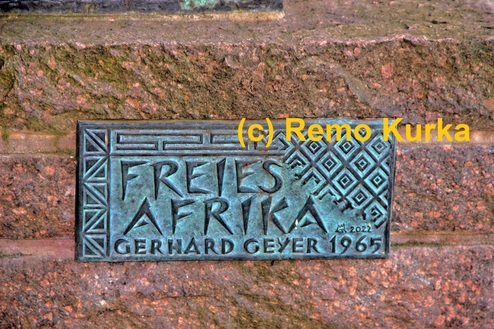
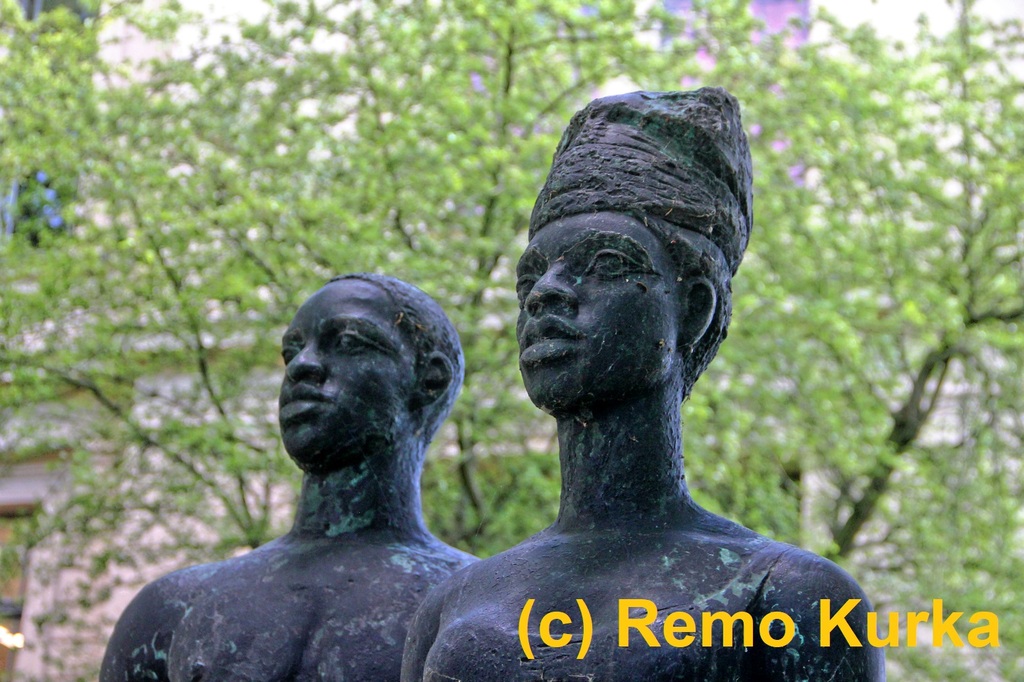
Free Africa memorial statue at Halle university, Germany. Combined with the Anton Wilhelm Amo memorial (c) Remo Kurka, Halle
What we know about Franciscus Africanus (Francis of Guinea)
Historical documentation is scarce, but scholars of early African-European encounters mention him as:
a West African man from Guinea,
who lived in Germany before 1700,
and was associated with German academic circles,
possibly as a student or assistant in philosophy or theology.
Franciscus Africanus (Francis of Guinea) appears in:
early German university registers,
church baptismal records,
and missionary training documents.
Because he lived before the Enlightenment period, his life was not documented with the same detail as Amo’s.
But he is recognized by historians as:
the earliest known African intellectual figure in German academic life.
Franciscus Africanus - Based on scattered archival references, historians infer that:
He was likely brought to Germany by missionaries or traders. He may have been educated by Pietist or Lutheran scholars, and very possible at Wittenberg, as later Anton Wilhelm Amo. He was literate and intellectually capable. He may have studied logic, theology, or classical languages. Franciscus Africanus was respected enough to be recorded by name — rare for Africans in Europe at that time.
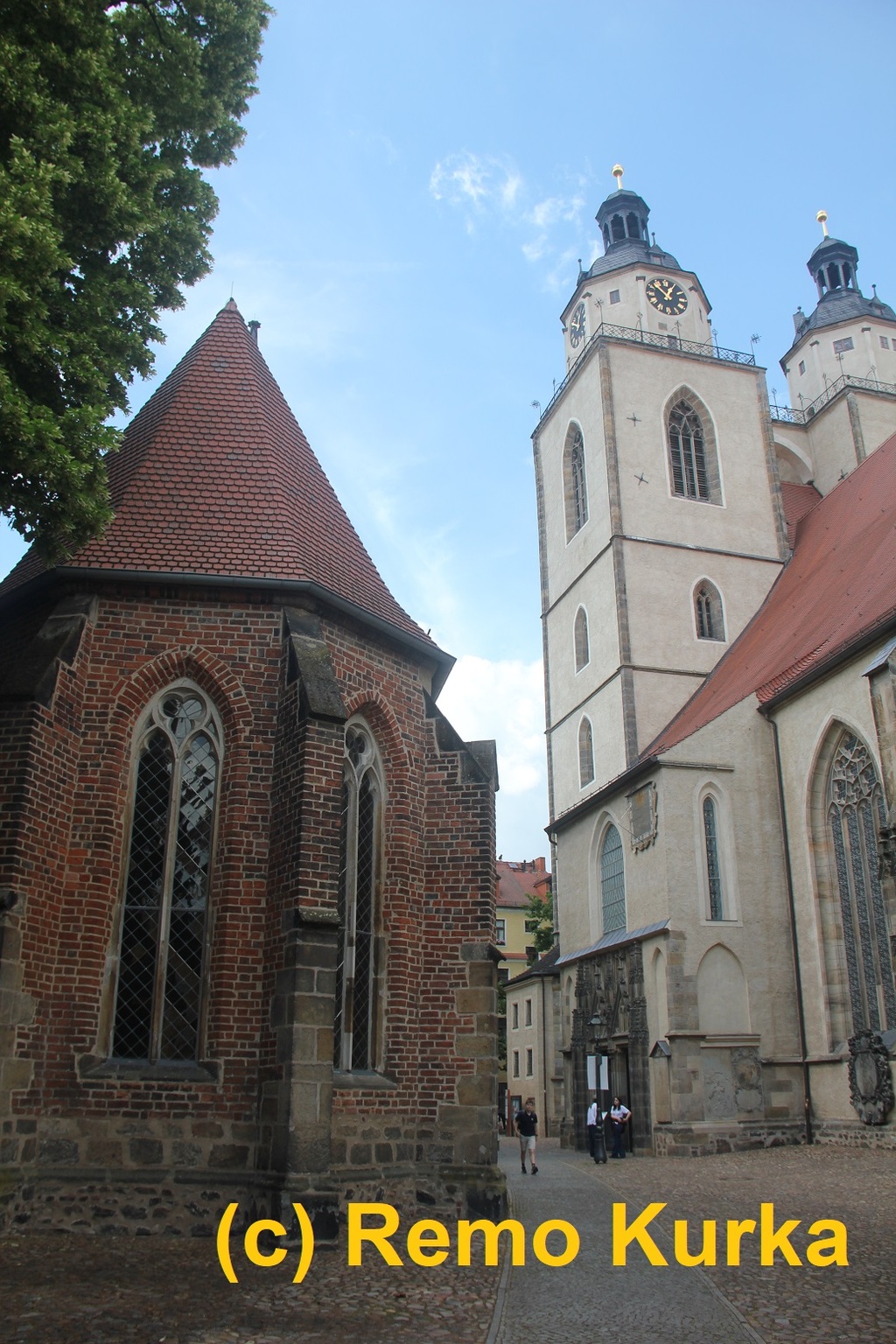
Medieval Church (Stadtkirche around the year of 1200), Martin Luther visited, and Anton Wilhelm Amo prayed. This is living history. Wittenberg, Germany (c) Remo Kurka
Why he is less known than Amo
There are three reasons:
1. He did not publish philosophical works
Unlike Amo — who wrote Latin dissertations and taught at Halle and Jena — Franciscus Africanus left no surviving manuscripts.
2. He lived in a pre-Enlightenment period
German universities before 1700 kept fewer detailed records of foreign students.
3. Africans in Europe were rarely documented unless they became famous
Amo became a professor — that made him visible. Franciscus Africanus did not reach that level of prominence.
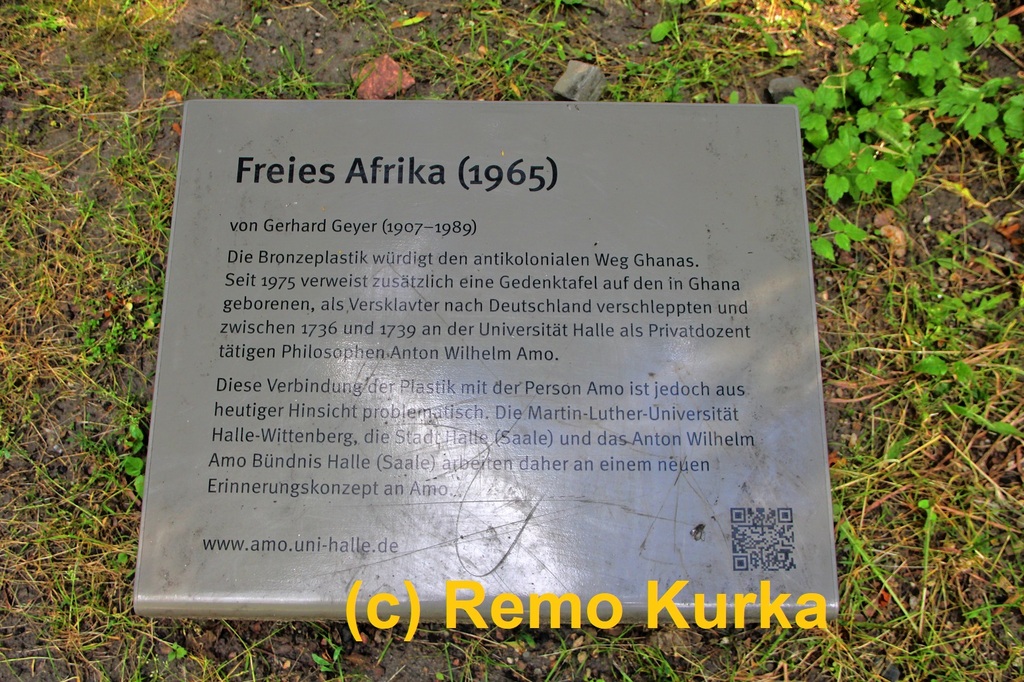
Free Africa (1965) statues, later associated with Anton Wilhelm Amo. However, there is a separate memorial in planning. (c) Remo Kurka, Halle, Germany
What historians believe about him
Based on scattered archival references, historians infer that:
He was likely brought to Germany by missionaries or traders.
He may have been educated by Pietist or Lutheran scholars.
He was literate and intellectually capable.
He may have studied logic, theology, or classical languages.
He was respected enough to be recorded by name — rare for Africans in Europe at that time.
Some scholars even suggest he may have influenced early debates about:
the nature of the soul,
the humanity of Africans,
and Christian universalism.
But this is inference, not documented fact.
How he connects to Anton Wilhelm Amo
Franciscus Africanus represents the first wave of African presence in German intellectual life.
Amo represents the second wave, and the first to break through into:
university teaching,
published philosophy,
and academic recognition.
It is possible — though not proven — that the presence of earlier Africans like Franciscus Africanus made German scholars more open to educating Amo.
Yes — there was a West African philosopher-like figure in Germany before Amo
His name was Franciscus Africanus, likely from Guinea, active in the late 1600s.
He did not reach Amo’s level of academic achievement, but he stands as:
the first recorded African intellectual in Germany,
a precursor to Amo,
and an important figure in the long history of African-European scholarly encounters.